
Offshore banking for international entrepreneurs
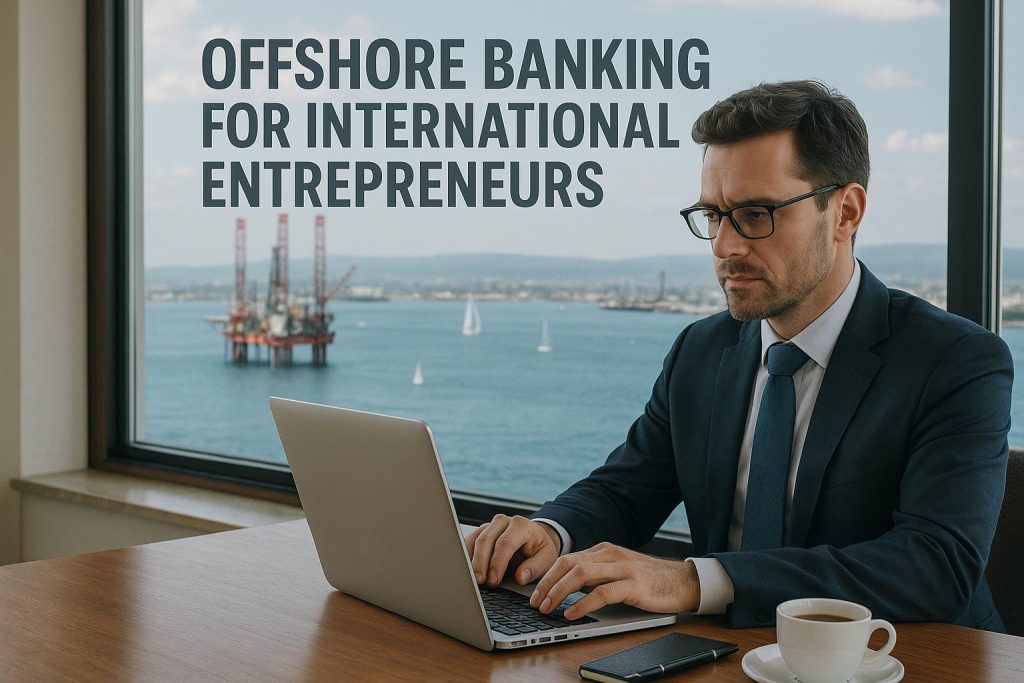
Understanding Offshore Banking
Offshore banking refers to the utilization of banking services in a foreign country, typically where the depositor does not reside. For international entrepreneurs, this choice offers a myriad of opportunities as well as challenges. Understanding these intricacies is crucial for effective financial management.
Benefits for International Entrepreneurs
Offshore banking stands out for its array of benefits tailored to meet the demands of international entrepreneurs. These benefits extend beyond simple banking functions and delve into strategic financial management and investment opportunities.
Asset Protection: Offshore banks offer enhanced asset protection to entrepreneurs who need to safeguard their wealth from unforeseen political or economic instability in their home country. In nations where financial climates can shift rapidly, the stability of offshore accounts provides a secure anchor for valuable assets. By shielding these assets from domestic risks, offshore banking can ensure that entrepreneurs maintain control over their wealth irrespective of the changes in their native country’s policies or economy.
Privacy and Confidentiality: One of the most compelling advantages of offshore banking is the level of privacy it offers. Many offshore jurisdictions are renowned for strict privacy laws that protect the identities and transactions of account holders. While no system is completely impervious, these banks typically adhere to strong confidentiality policies which appeal to entrepreneurs seeking financial privacy. This added layer of confidentiality not only reassures entrepreneurs about the security of their information but also about the discretion with which their transactions are handled.
Diversification of Investments: Offshore banks expand the horizon for investment opportunities, providing account holders access to a broader spectrum of global markets. This access to diverse investments across different sectors and currencies allows entrepreneurs to diversify their portfolios. Such diversification is essential for mitigating risks and maximizing potential returns. By investing offshore, entrepreneurs can tap into emerging markets or stable industries that might not be accessible through domestic banks.
Potential Tax Benefits: While not the primary reason for most entrepreneurs to engage in offshore banking, tax efficiency is certainly a consideration. Depending on the offshore jurisdiction and the tax laws of the entrepreneur’s home country, there can be tax benefits associated with holding accounts or assets offshore. However, it is imperative to remain compliant with international tax laws to avoid fraudulent charges or penalties related to tax evasion. Proper understanding and expert consultation can enable entrepreneurs to leverage any available legal tax benefits efficiently.
Legal and Ethical Considerations
Venturing into offshore banking is perfectly legal, but it comes with its own set of legal and ethical responsibilities. Entrepreneurs must navigate these carefully to ensure full compliance with legal stipulations across jurisdictions.
Ensuring compliance involves adhering to both the tax laws of one’s home country and those of the chosen offshore jurisdiction. The legality of offshore banking rests in its transparent and law-abiding use, rather than in using it as a tool for illegal activities such as tax evasion or money laundering. Entrepreneurs must take these considerations seriously to maintain credibility and avoid legal repercussions. This requires a comprehensive understanding of the intricate web of international regulations that govern financial transactions across borders.
Choosing the Right Jurisdiction
Selecting the appropriate jurisdiction is fundamental for maximizing the benefits of offshore banking while minimizing associated risks. Entrepreneurs should contemplate various factors including political stability, banking regulations, and the logistical simplicity of setting up and maintaining an offshore account.
Certain regions such as the Cayman Islands, Singapore, and Switzerland are often sought after for their favorable banking environment. These jurisdictions not only offer robust legal frameworks but also embody political stability and advanced infrastructures. Entrepreneurs are advised to thoroughly assess these factors to identify the jurisdiction that best aligns with their strategic financial goals.
Setting Up an Offshore Account
Establishing an offshore bank account is a more documentation-intensive process compared to domestic accounts. Entrepreneurs should be prepared to submit extensive documentation which typically includes personal identification, proof of residency, and detailed information about the source of funds. This requirement is part of the global effort to ensure transparency and prevent the misuse of offshore accounts for illegal activities.
Engaging the services of an international financial advisor can prove invaluable during the setup process. Such advisors are well-versed in the complexities of international banking and can offer insightful guidance tailored to the entrepreneur’s specific requirements and goals.
The Financial Action Task Force (FATF) plays a pivotal role in establishing global standards for combating illicit financial activities. Their guidelines are indispensable for entrepreneurs considering offshore banking, as they outline best practices for maintaining ethical banking standards while safeguarding against fraud.
In conclusion, while offshore banking presents a suite of benefits to international entrepreneurs, it is imperative to approach it with a well-rounded understanding of the legal obligations and ethical considerations involved. Through comprehensive research and the counsel of seasoned professionals, entrepreneurs can adeptly navigate the offshore banking landscape to maximize their financial strategy, ensuring robust asset protection, confidentiality, and investment diversification, all while upholding stringent legal compliance.
This article was last updated on: April 3, 2026