
Offshore banking for digital nomads with global income
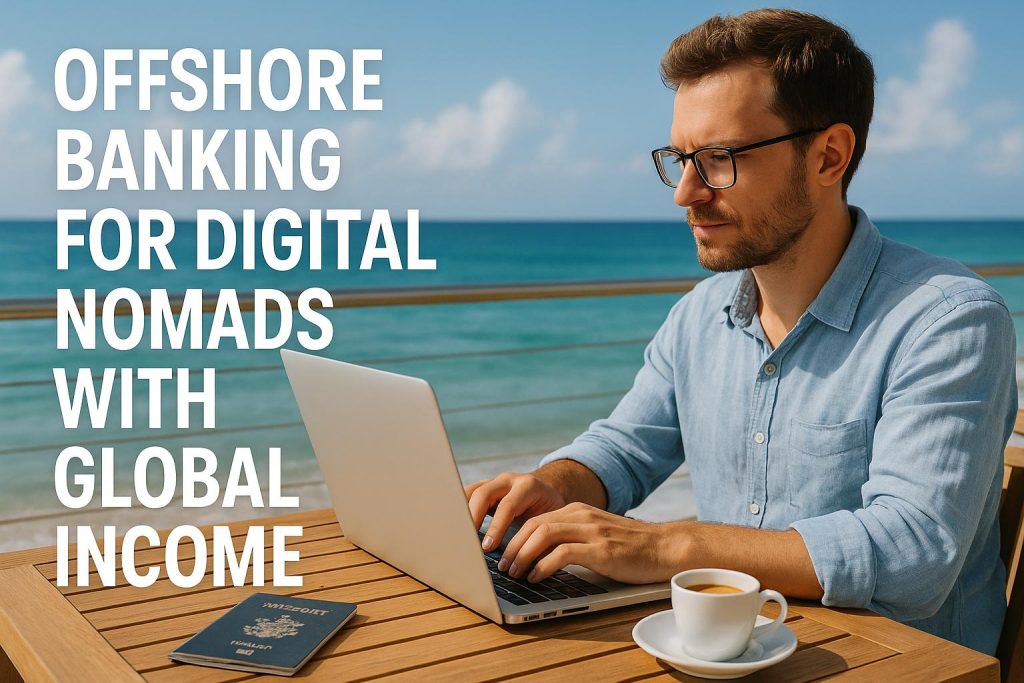
Understanding Offshore Banking for Digital Nomads
Digital nomads, individuals who leverage technology to work remotely from various locations across the globe, encounter unique financial challenges. The nature of their work often requires them to move between countries, and as such, managing income from multiple jurisdictions becomes essential. Navigating this global lifestyle effectively and legally means adopting practical financial solutions that accommodate such a dynamic lifestyle. Offshore banking emerges as a strong contender in offering solutions tailored to these distinct needs, owing to its inherent flexibility and robust benefits.
What is Offshore Banking?
Offshore banking refers to the process of opening and managing a bank account outside one’s country of primary residence. This banking strategy is completely legal and offers a suite of financial services that parallel those available from local banks. Its distinguishing factor lies in the additional opportunities it presents, such as tax optimization, currency diversification, improved financial privacy, and often more robust banking privacy laws than those found locally.
Benefits for Digital Nomads
An offshore banking account presents several potential advantages for digital nomads:
Currency Flexibility: One of the most significant benefits is the ability to manage income from various countries using multiple currencies. Offshore accounts often support a range of currencies, enabling digital nomads to minimize costs associated with currency conversion and to potentially avoid significant conversion fees that might be incurred with traditional banks.
Tax Optimization: When structured appropriately, offshore accounts can offer tax advantages. This aspect is especially relevant for digital nomads seeking to legally retain a greater portion of their income. It requires strategic planning to ensure that the benefits can be fully realized without breaching compliance requirements.
Financial Privacy and Security: Many jurisdictions providing offshore banking services offer stringent privacy laws that add an extra layer of security to one’s assets. For digital nomads concerned about privacy, particularly those hailing from countries with less stable financial climates, offshore accounts could provide enhanced protection against financial disruptions.
Global Access: Given the fundamentally flexible and mobile nature of their careers, digital nomads benefit immensely from the ability to access their funds globally. The online banking capabilities associated with offshore accounts allow users to manage their accounts seamlessly from anywhere in the world, making it an ideal choice for individuals constantly on the move.
Legal Considerations
While offshore banking offers a myriad of benefits, it also comes with legal responsibilities. It is essential for digital nomads to comply with the tax obligations of their home countries. This means that any income or assets held offshore should be transparently reported to avoid any legal repercussions or penalties that can arise from failing to do so. Thus, consulting with a tax professional who has expertise in international finance can be a judicious move. They can help ensure compliance with the tax laws of both the digital nomad’s home country and any international regulations applicable.
Reporting Requirements
As an illustration of the obligatory nature of transparency in global banking, the Foreign Account Tax Compliance Act (FATCA) in the United States mandates that citizens must report any offshore accounts on a yearly basis. Additionally, the international Common Reporting Standard (CRS) facilitates the exchange of information between countries, underscoring the trend toward increased transparency in cross-border banking activities. These measures are a testament to the evolving global landscape of financial regulations that digital nomads must navigate.
How to Choose an Offshore Bank
When selecting an offshore bank, there are several key factors that digital nomads should consider to ensure they choose a bank that aligns with their specific financial needs:
Jurisdiction: It is prudent to opt for countries renowned for their stable political and economic environments. Such jurisdictions often come with strict privacy laws while remaining compliant with international regulations, providing a balance of security and legality.
Banking Services: It’s crucial that the offshore bank offers services that meet your requirements. This can include robust online banking options, the ability to conduct transactions in multiple currencies, and potential investment opportunities that align with your financial goals.
Costs: Scrutinizing the fees associated with maintaining an offshore account is vital. These fees can encompass account maintenance charges, withdrawal fees, and transaction costs that can widely vary. Understanding these costs upfront can help in making an informed decision.
Conclusion
Offshore banking stands as a strategic option for digital nomads aiming to manage their income globally. Besides offering significant benefits such as currency flexibility and tax optimization, it necessitates due diligence to comply with relevant legal and tax obligations. Seeking professional financial advice can be invaluable, ensuring that digital nomads maximize the benefits of offshore banking while staying within legal frameworks.
Further Information and Resources
For those interested in deepening their understanding or exploring international banking options further, it would be beneficial to consult reputable financial advisory resources online. Implementing an informed financial strategy with support from experienced professionals can enhance one’s financial outcomes substantially, thereby facilitating a successful and sustainable nomadic lifestyle.
This article was last updated on: April 17, 2026